 Road Weather Management
Download Road Weather Management Infographic (PDF)
Intelligent Transportation Systems (ITS) technologies such as fog detection systems, variable speed limit (VSL) signs, dynamic message signs (DMS), weather alert systems, and flood detection systems mitigate the impacts of adverse weather events on transportation systems.
HOW IT WORKS
Traffic management centers (TMCs) leverage the real-time data gathered by the ITS technologies to help transportation agencies make informed decisions about traffic management and warnings.
BENEFITS
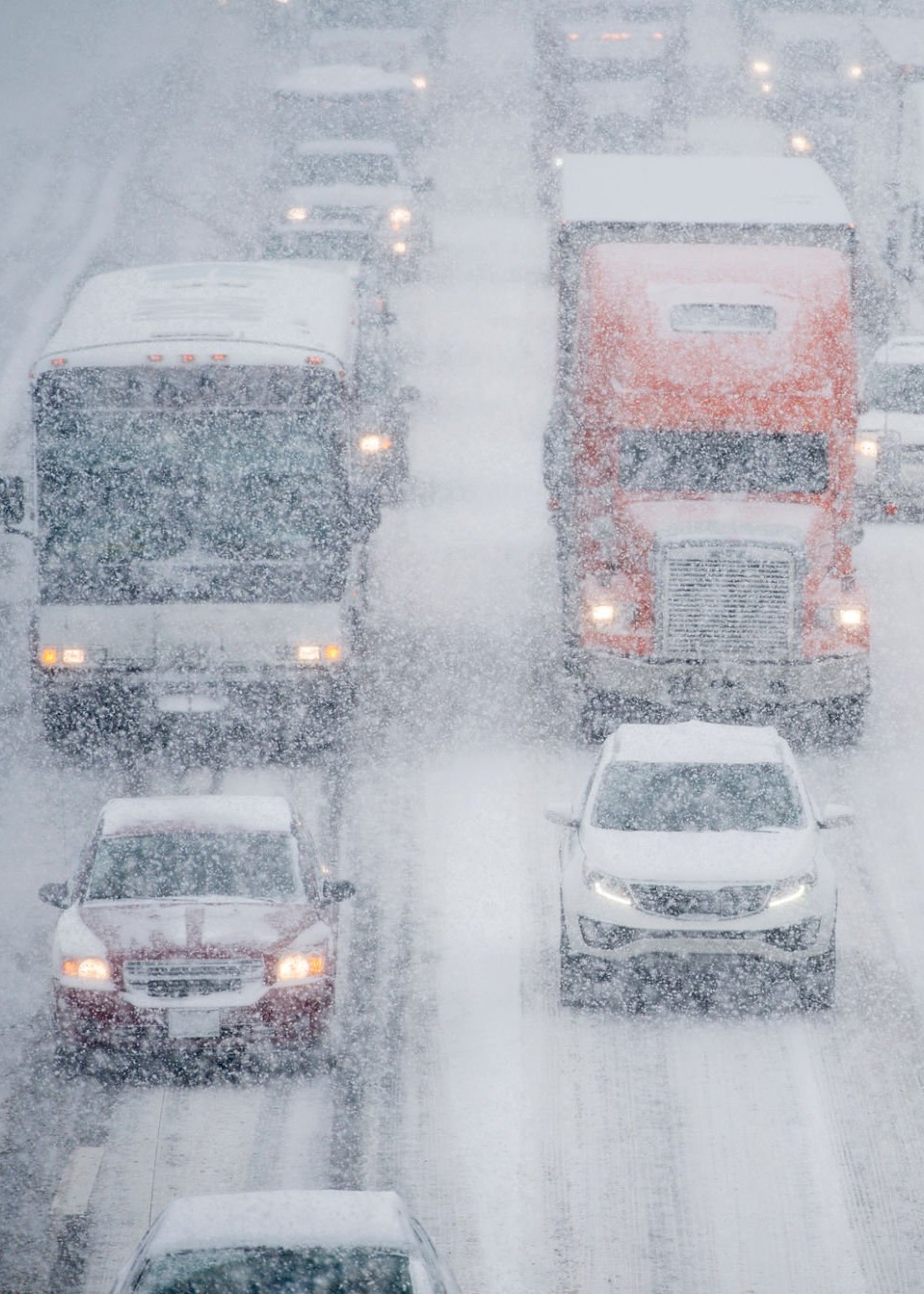
The benefits of ITS in weather events include reduced congestion, improved travel time reliability, enhanced safety, and cost savings.
- In Wyoming, the Connected Vehicle Pilot found that more than 50 percent of drivers given a work zone or winter weather alert reduced their speed (2023-B01735).
- In Minnesota, DMS displaying weather alerts based on roadside pavement sensors were associated with up to a 1.5-mph reduction in average speed and 2.0-mph reduction in 85th-percentile speed (2022-B01680).
- In Ohio, crashes during snow events declined 42 percent after winter season VSL corridor implementation (2021- B01568).