 Pedestrian Safety
Download Pedestrian Safety Infographic (PDF)
Pedestrian safety is a high priority for the U.S. Department of Transportation (DOT), which aims to reduce fatalities and injuries among walkers, bicyclists, and other vulnerable road users (FHWA).
HOW IT WORKS
Pedestrian safety technologies use sensors, alert systems, communications, and other components to help identify vulnerable road users and warn nearby drivers of their presence. These technologies improve visibility and awareness on roadways, reducing the risk of accidents and promoting safer interactions among all road users (FHWA).
BENEFITS
Enhancing pedestrian safety reduces fatalities and injuries among pedestrians and bicyclists, encourages active transportation, fosters healthier lifestyles with less traffic congestion, and promotes livable communities with safe transportation options supporting public health and well-being (FHWA).
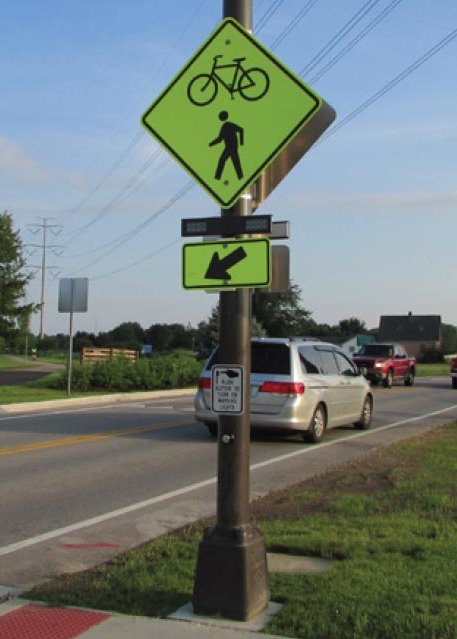
- In Vermont, Rectangular Rapid Flashing Beacons (RRFBs) installed at rural crosswalks led to an increase in driver yield rates of up to 43 percent (2023-B01776).
- In Washington State, an active safety-collision warning pilot estimated annual net benefits of $1.1 to $2.1 million from preventing collisions with vehicles, pedestrians, and bicyclists (2023-B01799).
- In Cleveland, a pedestrian crossing warning system reduced bus driver reaction time to pedestrian conflicts by 19 percent (2022-B01675).
- Dallas' Smart Cities Living Lab pilot reduced energy use by 35 percent and violent crime by 6 percent with intelligent LED lighting and improved pedestrian traffic (2023-B01809).